drums, organs, pianos,
harmonies that felt like
ghosts in the room.
Cave flutes, crime fiction and the end of culture 📡
The oldest musical instruments ever discovered are the Aurignacian flutes — carved pipes made from animal bones or mammoth tusks.
They’re around 43,000 years old.
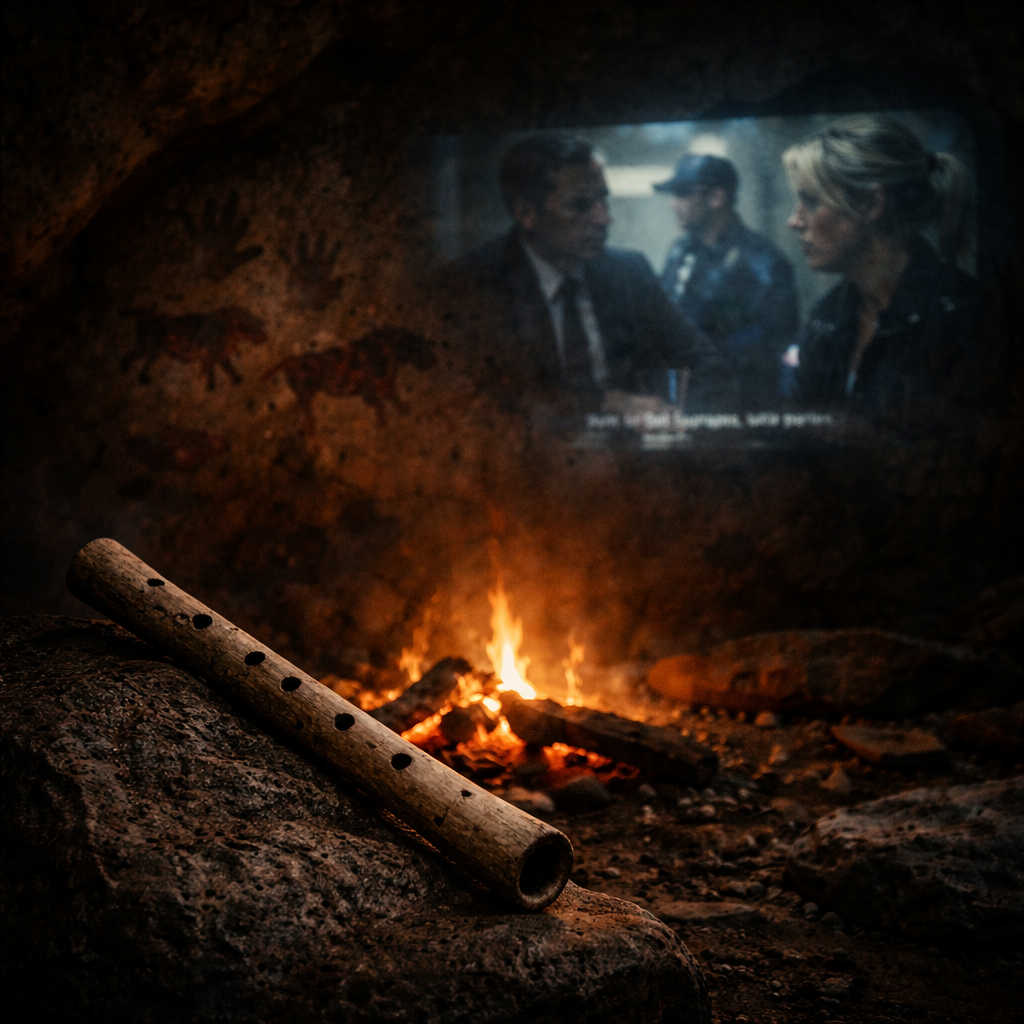
They were found in cave systems in southern Germany, and were carved and played by prehistoric humans living alongside Neanderthals, sheltering for warmth by firelight in the middle of the last great ice age.
That means that before writing, before cities, even before farming, there was music.
And the Aurignacian flutes aren’t all that period is known for. It’s also the first time we begin to see abstract cave art, beads, pendants — markers of an emerging symbolic identity.
The beginning of human beings talking to one another in a language beyond words; across time itself.
Taking abstract thoughts and feelings and fixing them into objects, music, and images that could be inherited by people not yet born.
I’d love to hear the song played on that first-ever flute.
A wavering breath. A tentative rhythm. Maybe something closer to birdsong than music as we’d recognise it now.
Because in some sense, that tune is the great common ancestor of every melody ever written.
What makes human beings the most powerful creatures on the planet is our ability to generate culture.
Think about it.
The sabre-toothed tiger was a fearsome predator, but it never got any more fearsome.
Each new sabre-toothed tiger was simply another vehicle for the same set of devastating genetics.
It would hunt, kill, and mate in much the same way as its parents had.
But a human child?
That child would inherit all the collective wisdom of every generation that preceded it.
Throughout its long developmental childhood, it would be immersed in the stories, songs, and teachings of its tribe.
A key part of which, around the time we were carving flutes, would most likely have been how not to get eaten by sabre-toothed tigers.
The end result?
The last sabre-toothed cats disappeared from Europe around 30,000 years ago — their large prey all but gone, hunted to extinction by coordinated bands of humans.
There are now eight billion of us.
Culture is what allows each new generation to begin hundreds of thousands of years downstream of those early discoveries — and all the others that have piled up since.
As Sir Isaac Newton put it, we stand on the shoulders of giants.
At some point in more recent history, culture began branching into more specialised strands — science, mathematics, the humanities, the arts, theology, politics, and the like.
And in some of those fields — science in particular — progress feels almost inevitable.
Unless something wipes us out entirely, we’ll keep stepping forward into the cavernous space of our ignorance, illuminating it as we go, developing technologies and theories that would have seemed like magic to those early flute-makers.
The latest?
Artificial intelligence.
But what about art?
Can we really keep on building on that first melody, those earliest stories and paintings, forever?
The other night I watched the first series of a new crime drama on Netflix.
I can’t remember what it was called, but it was based on a Harlan Coben story.
I only lasted one episode. The whole thing felt strangely uncanny.
Crime fiction is a storied genre full of genuine greats — Agatha Christie, Arthur Conan Doyle, Wilkie Collins.
But I always think that modern crime fiction owes its largest debt to Raymond Chandler and his iconic detective Philip Marlowe, who first appeared in The Big Sleep in 1939.
It feels like Chandler set the template in that novel for everything that followed: an idiosyncratic but brilliant private investigator, pulled into a whirlpool of corruption and dark sexuality in the upper reaches of society, slowly unravelling a morally ambiguous conspiracy that runs right to the top — all whilst breaking hearts and drinking neat whisky.
This series had all of that.
But it felt so empty.
Like a photocopy of a photocopy.
The classic ingredients were still there — the quirky sleuth, the missing girl, lawyers and detectives trading spiky one-liners, a local drugs kingpin brooding in a derelict lair.
But there was no depth to any of it.
I’d watched every scene before.
And it felt like the writers knew that, and didn’t mind.
Everything moved relentlessly fast. Dialogue existed only to propel the plot. Every other scene ended with a revelation, a murder, or a twist.
But I just couldn’t care about any of it.
It made me wonder whether this is what art looks like when a culture is exhausted.
When every archetype has been stretched thin.
When audiences are trained by short-form media to expect constant stimulation.
When we’re so familiar with the ingredients that there’s no patience left to savour their taste.
It felt like the entertainment equivalent of a microwave curry — hot, convenient, and instantly forgotten.
I feel something similar about a lot of music at the moment.
It’s becoming safer, more sanitised, more predictable, and easier to assemble and disseminate than ever.
And that process is about to be kicked into warp speed as AI makes it possible to generate chart-ready songs in seconds.
I’m a little afraid we’re losing sight of what art is meant to be.
Which is why I keep thinking about those prehistoric tribes — huddled for warmth in fire-lit caves, painting strange symbols on stone walls, carving flutes from the bones of dead mammoths.
They weren’t optimising. They weren’t chasing trends.
They were expressing something inner and irreducible.
Because art is an expression of the soul.
And without that soul, it ceases to be anything much at all.
I think that’s an idea worth holding onto.
Whatever happens next.
Happy New Year.
And keep dreaming,
Rob
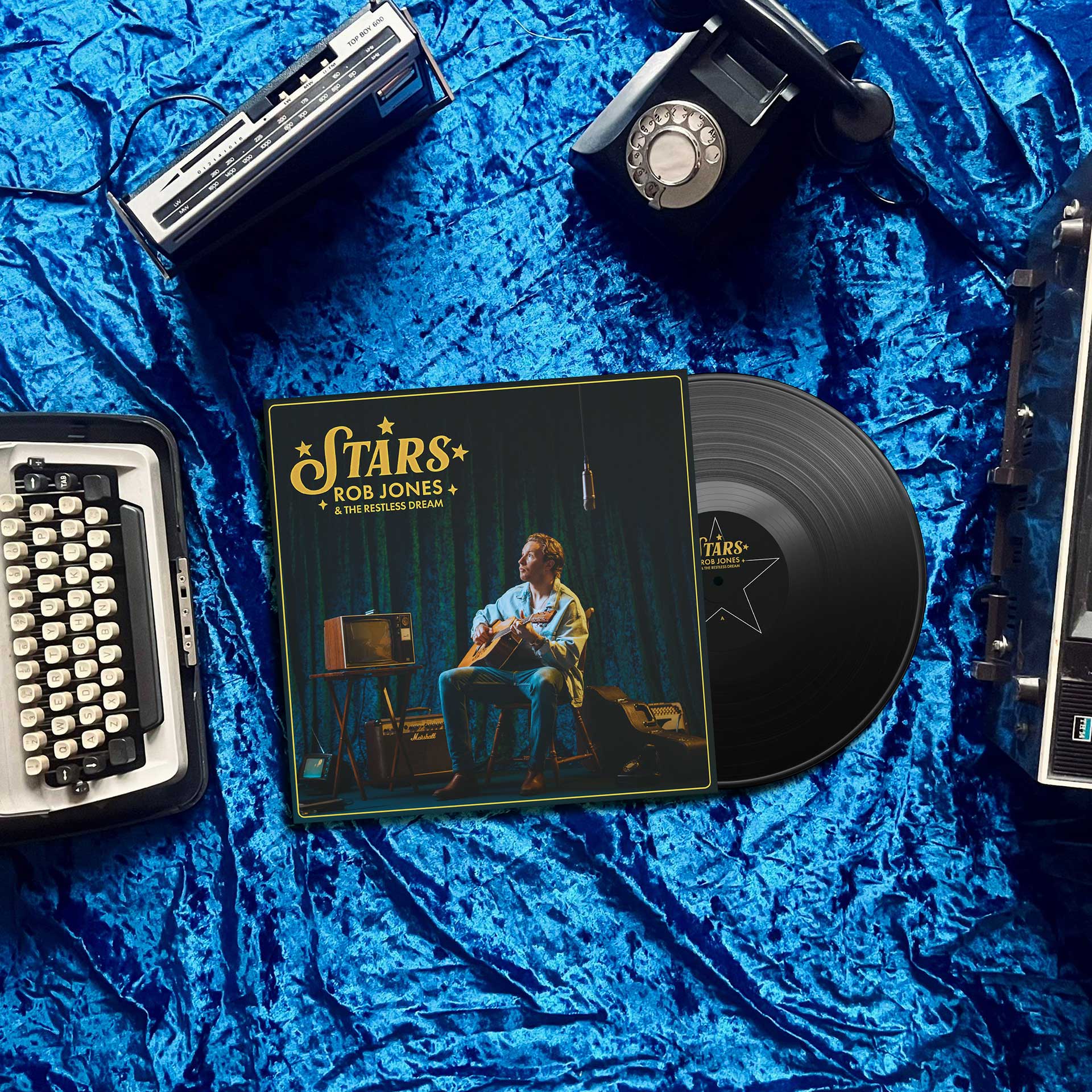
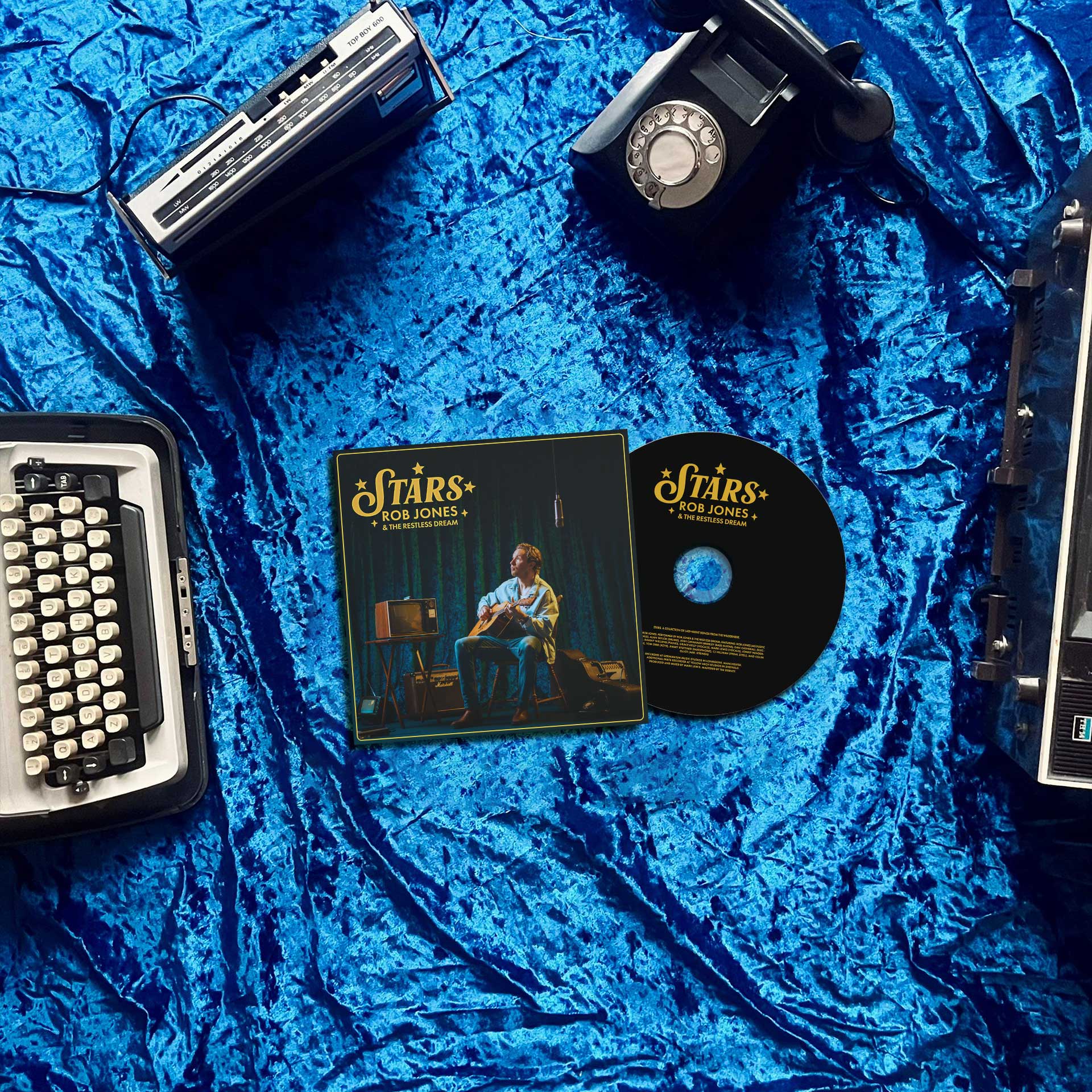
Available to buy on limited edition first run vinyl and CD