drums, organs, pianos,
harmonies that felt like
ghosts in the room.
Thoughts on the brand new single 🎷
Life is full of ups and downs.
And I mean that in the broadest possible sense.
We humans tend to think spatially.
As creatures of four-dimensional space-time, we can’t help it.
It’s encoded deeply into the way we think, speak, and feel.
We look down with disdain, we raise flags and monuments, we stare up at our objects of desire or worship, we try our best to keep spirits high, and to make sure we don’t descend into low feelings.
It’s inherent to our religious systems—heaven is up, hell is down, and we’re meandering hopelessly somewhere in between.
If you’re chatting to someone and they reach for a powerful memory, or try to summon a creative thought, watch their eyes turn skywards.
It’s also a feature of art—especially visual art—where so much can be said without words.
Michelangelo’s David isn’t only seventeen feet tall, but has proportionally large hands and head—probably because Michelangelo designed it to be installed on the roofline of the Cathedral of Santa Maria del Fiore in Florence, the city’s great Duomo.
Or think of the most famous scene in all of theatre: Juliet appearing on the balcony as Romeo gazes up from the Capulet orchard.
But, soft! what light through yonder window breaks?
It is the east, and Juliet is the sun.
We humans look up at what we value.
We can’t help it.
Which brings me to The Darkest Eyes.
Now, you’ll know I have an aversion to talking about what a song “means.” Given that writing one is a strange act of the subconscious, my guess is normally as good as yours.
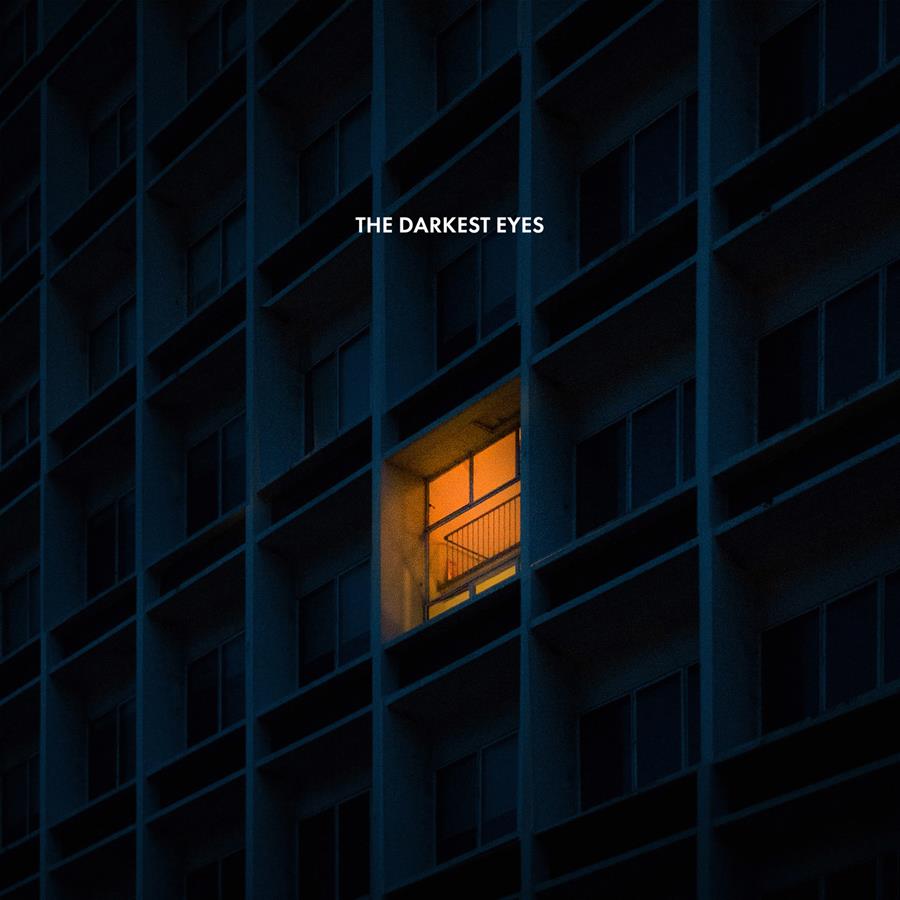
But this one definitely began with a striking mental image, captured beautifully in the cover art above: a lonely man wandering aimlessly through the city at midnight, stopping below the apartment block of the woman he can’t live without.
His problem—as ever—is that she seems more than capable of living without him.
I didn’t really know what to make of the song once I’d written it. I always felt the imagery had a touch of Tom Waits: a lonely wanderer longing for something he’s never likely to find.
The eponymous eyes were inspired by a beautiful Portuguese barmaid I singularly failed to charm.
But all art is about extrapolation—a journey into what could have been, in a different life.
Once the band got hold of it, it immediately became more John Waite than Tom Waits. It’s got that beautifully simple pedalled bass line that hardly moves, letting the vocal, piano, and saxophone add the colour.
I love it—it’s one of my favourite tunes from the album, and I think you’re going to love it too.
It’s out everywhere now—give it a spin or two, throw it on a playlist, and let me know what you think.
And, in the meantime…
Keep dreaming.
Rob
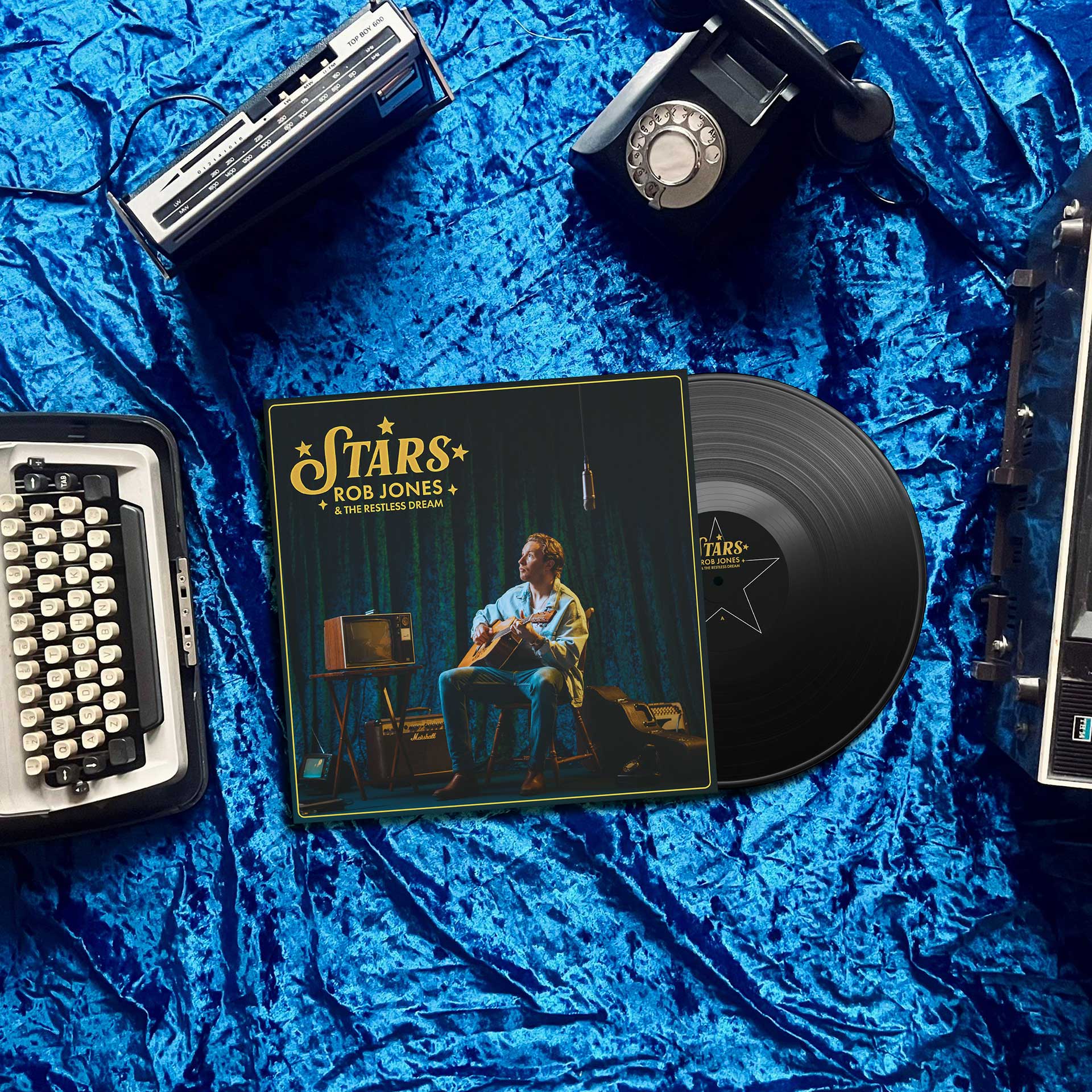
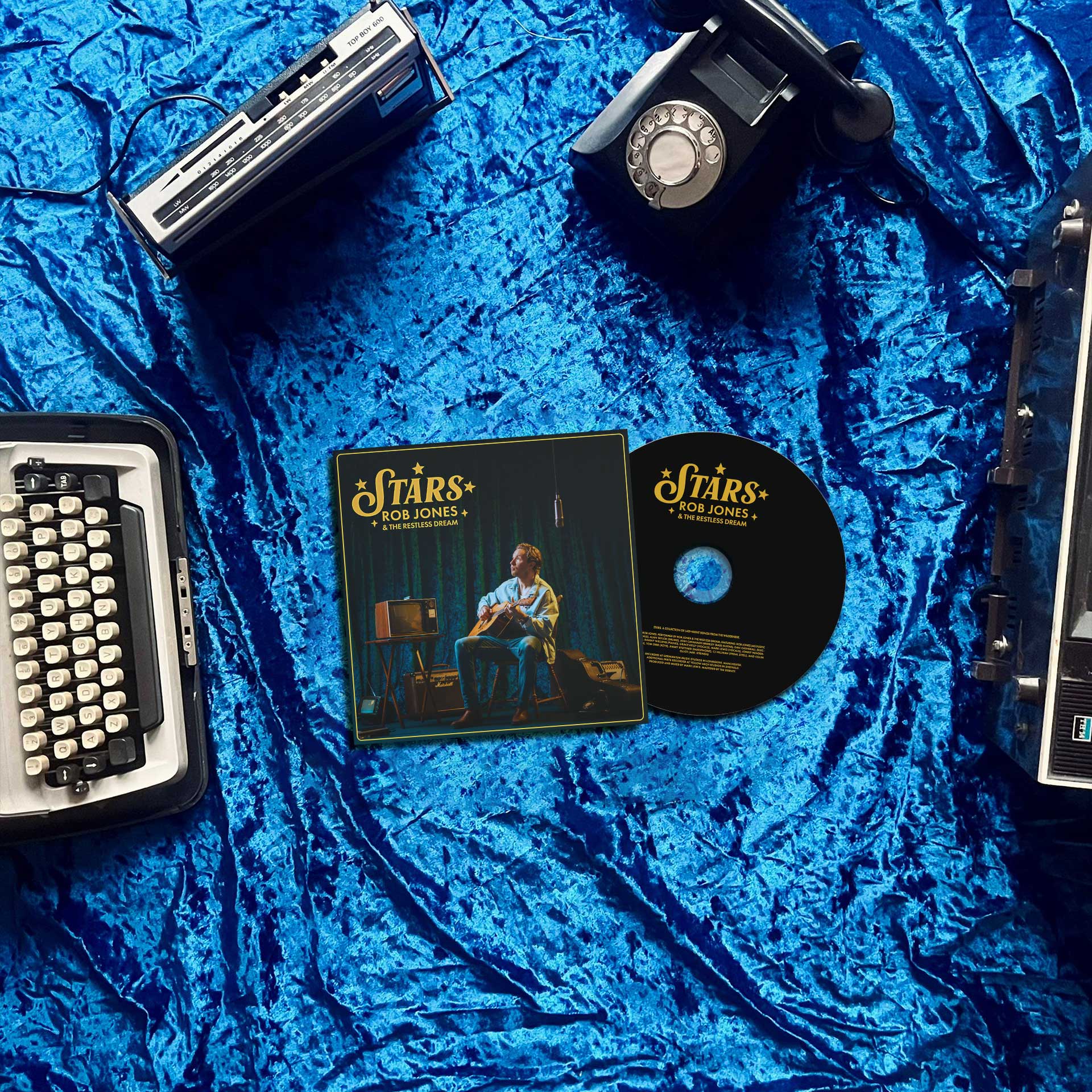
Available to buy on limited edition first run vinyl and CD