drums, organs, pianos,
harmonies that felt like
ghosts in the room.
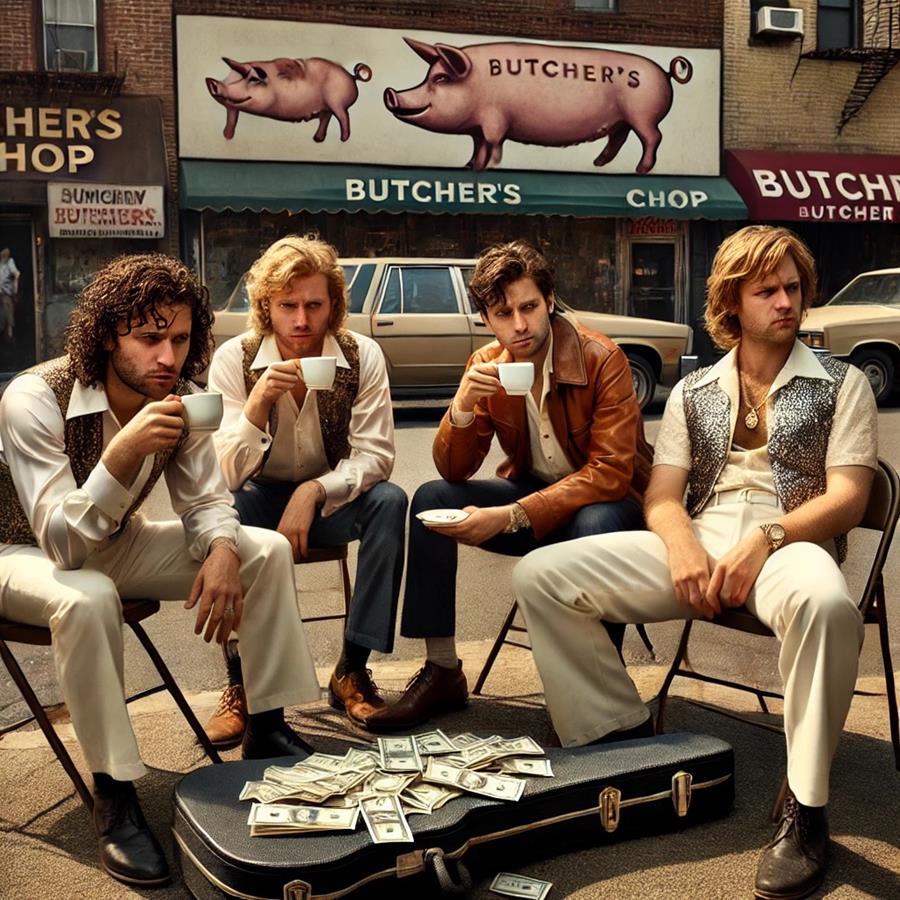
Music, the mafia and life at the edges of the map...
‘As far back as I can remember, I always wanted to be a gangster.’
I haven’t.
I’d be terrible.
I’m regularly haunted by my conscience over things I haven’t even done, and I’m sick enough of chasing wine bars for overdue invoices that the idea of patrolling the neighbourhood collecting tributes and breaking kneecaps feels like several steps too far.
This January, though, I’ve been re-watching The Sopranos.
I think it’s probably my third or fourth time around—I’ve lost track.
And I’m not going to be one of those people who tell you, ‘YOU HAVE TO WATCH’ their favourite TV show the moment they find out you haven’t seen it, because I hate them as much as you do.
But there’s something magnificent about the New Jersey mob-drama that, just when I thought that I was out, seems to pull me back in.
And it isn’t the guns, or the murder, or the conspiracy.
Well—it is.
But it’s also far more than that.
Like a great western or an epic space opera, The Sopranos explores life at a kind of frontier—not in the Rocky Mountains, or untamed Apache country, or a Galaxy Far, Far Away, but at the edges of the law, of civil society.
This forces its characters to confront their principles in a sort of wilderness, beyond the usual systems and safeguards of modern life.
I think that’s what appeals to me most.
The idea of living a life beyond the borders.
Because, in some sense, musicians and mafioso have a lot in common.
Think about it: we’ve all decided the typical career, with its steady hours, annual leave, and pension plan, just isn’t going to do it for us.
We want the freedom to chase our own destiny. To sit outside a café at 2 p.m. on a Tuesday while everyone else is chained to their desks. To live a seedy, nocturnal life of late-night bars and budget hotel rooms. To sleep late and be paid in cash.
To live on our own terms, by our own rules.
And that’s undeniably exciting.
So exciting, in fact, that everyone else seems to be trying to do it too.
I was on a date at a landscape painting class recently (I did no favours to the world of art) and heard a version of the same story three times from three different people:
‘I was a nurse or a teacher (it’s always one of the two), and it made me so miserable that I quit. Now I’ve become a crystal healer / I paint pebbles and sell them on Etsy / I dispense hot chocolate from a horse-box / I host slow-living workshops from my spare room.’
It’s the modern gospel: quit the grind, find your bliss.
I used to feel edgy for quitting my day job to write songs; now I feel like a walking 21st-century cliché.
To be honest, it’s also starting to concern me on a practical level: if everyone’s living their dream, who’s going to be left to teach my future kids to read—or staff A&E?
I get it, though.
Modern life feels like it’s breaking its promises. We’re so immersed in the lives of billionaires, actors, and athletes that their extraordinary feels like the new ordinary, and we judge ourselves against it.
Especially at my age—I was 35 last week—it can feel like there are no adventures left. The blank spaces on the map have all been filled in. The money’s been made, the empires built.
It feels like a rigged game—and we showed up too late.
So we decide to cash in our chips and leave the table. To do something unconventional. To start a different game, with different rules.
It’s The Sopranos Syndrome.
But the thing I love most about The Sopranos is that it doesn’t sugar-coat anything about Mafia life.
Like Tony tells his shrink in the pilot: "It's good to be in something from the ground floor. I came too late for that, I know. But lately, I'm getting the feeling I came in at the end. That the best is over."
Him and his two-bit mobster friends still have depression and diabetes. They still argue with their kids, get divorced, and worry about money. They live in tacky houses, drive SUVs, and kill each other over pocket change or a mistimed joke about someone’s wife.
The faster they run from modern, globalized America, the faster it chases.
Because nothing is ever as glamorous as you think it’ll be. You can try to build your own fantasy life, to escape the concerns of ‘normal people,’ but the grind will still get you in the end.
And that’s what gives Tony Soprano his enduring complexity.
He can never escape the problems we all live with, no matter how hard he tries.
And neither can we, of course—the rest of us 21st-century quitters.
We do our best to deny it on social media, but it’s true.
We still have inflated mortgages, pulled hamstrings, bursting bin bags—we still watch too much TV, hate ourselves for not going to the gym, and stay up at night worrying.
Just like Christopher, Paulie, or Tony himself, we’re all trying to figure out where we are and how to get ahead—riddled with the same insecurities, boredom, and frustrations as everyone else.
And that’s what makes The Sopranos so brilliant: the way it balances the gangland glamour with the kitchen sink. The disillusioned wife. The kids skipping soccer practice. The resentful grandmother in her retirement community.
It’s the same in every backstage green room I’ve ever been in (not that many of my gigs come with one of those).
The musicians I know don’t talk about lyrical choices or diminished chords.
Not the interesting ones, anyway.
They talk about leaking roofs, disastrous first dates, or the old van that broke down three hours from the gig.
We can never really shake that stuff, no matter how far we think we’ve stepped outside the lines.
Nor should we want to. Those little struggles, the mundane and the messy—they’re what bind us together.
Because if Tony Soprano, with all his power and influence, couldn’t wrestle free of the real world, what chance do the rest of us have?
Maybe a real 'wise-guy' would learn to make his peace with that and carry on strumming.
Keep dreaming,
Rob
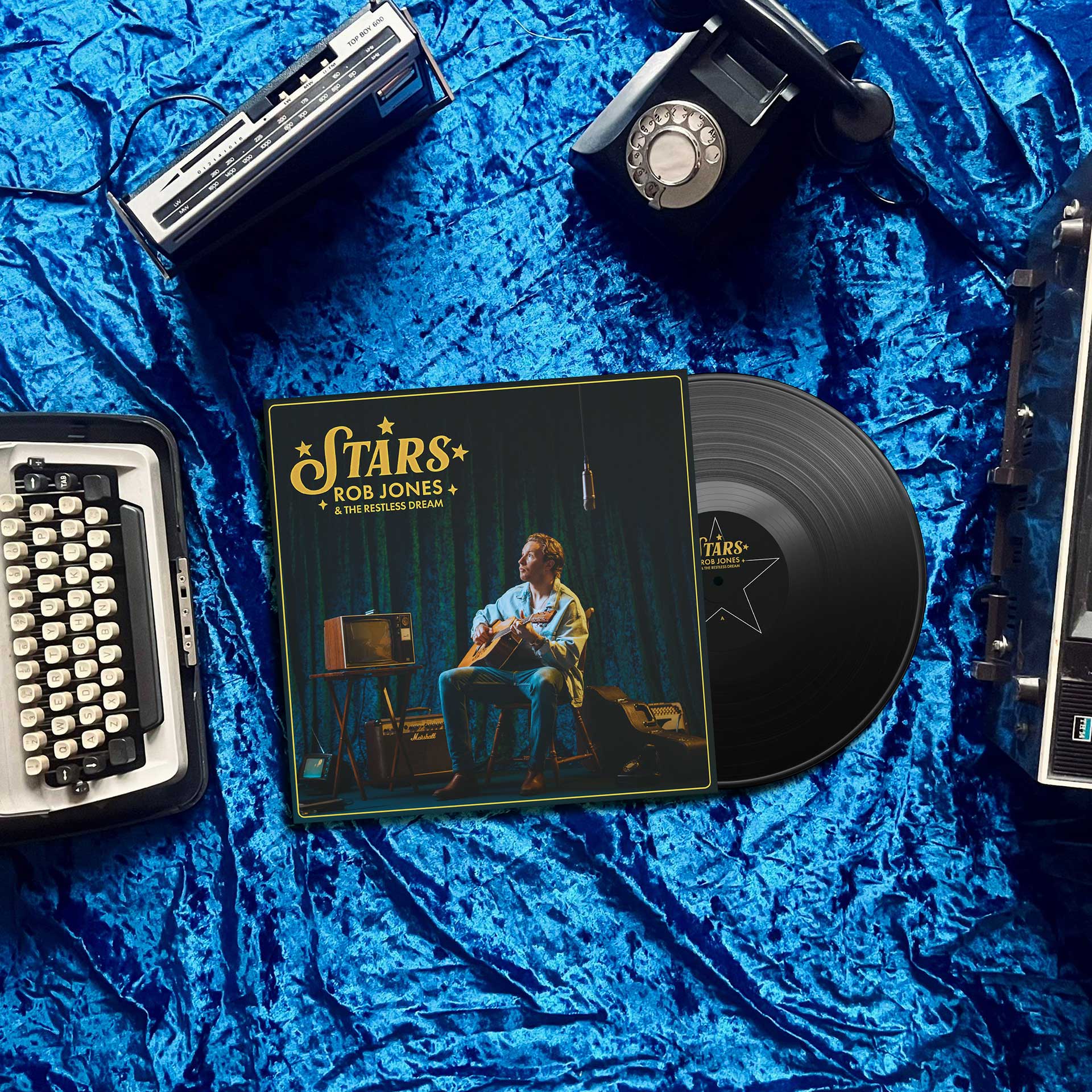
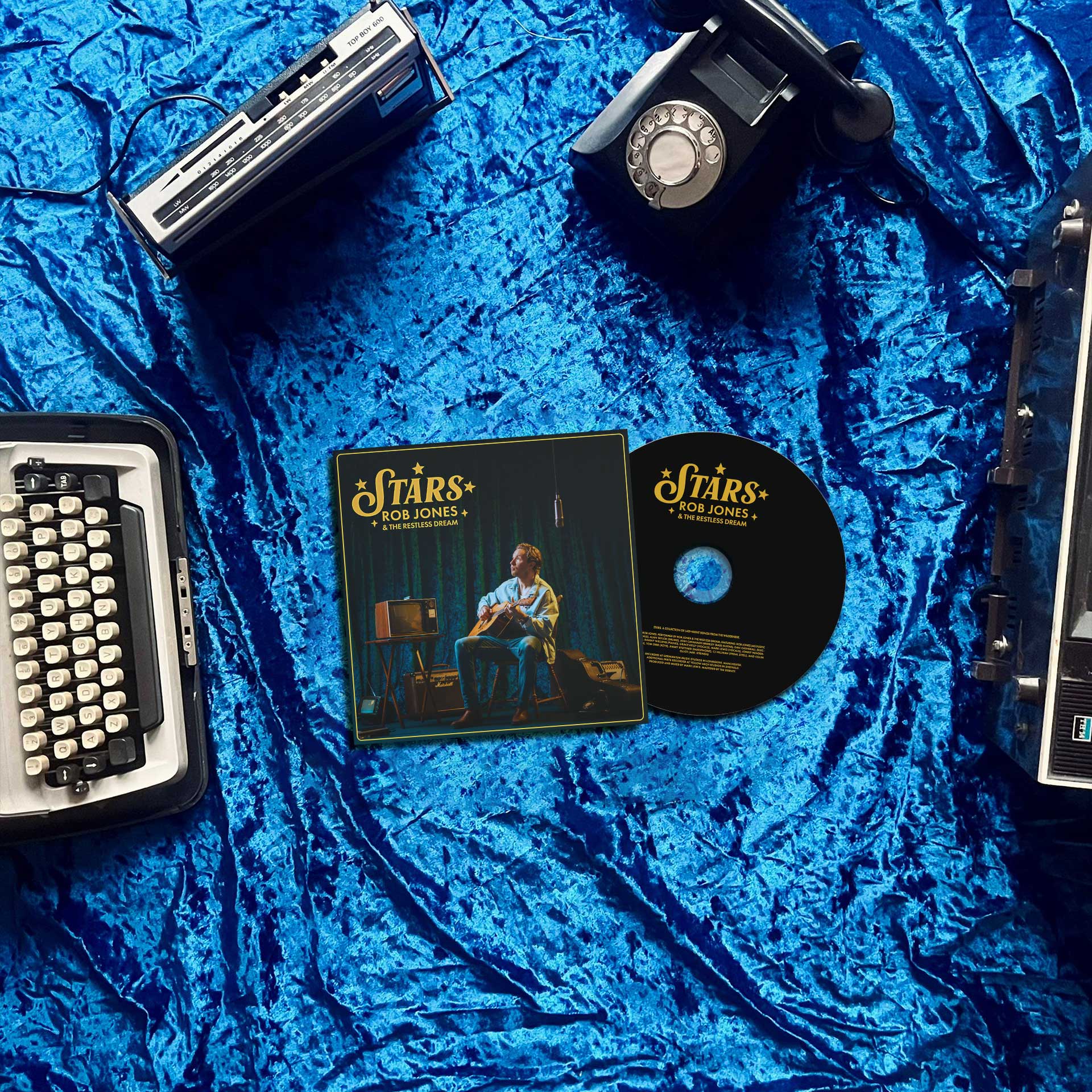
Available to buy on limited edition first run vinyl and CD