drums, organs, pianos,
harmonies that felt like
ghosts in the room.
What Will Smith taught me about time... 🛸
Do you remember the film Men in Black?
You probably do – it was a fun 90 minutes of sci-fi with all the classic elements: secret laboratories full of intergalactic technology, Tommy Lee Jones and Will Smith buddying about, and an extra-terrestrial cockroach monster tearing through New York City.
What stuck with me the most though – iconic theme tune aside – was the Neuralyzer.
Do you remember it?
It was a silver stick, a bit like a clickable biro, that could wipe the short-term memory of a subject.
Will Smith would click the Neuralyzer and, with a flash, some poor member of the public – traumatised by a harrowing alien encounter – would immediately forget the last hour of their lives.
I increasingly feel like I’ve been getting Neuralyzed.
I’ve not seen Will Smith sneaking about but I wouldn't put it past him.
He's been getting a little weird lately.
Then again, if he had brought the Neuralyzer, I suppose I wouldn't remember it anyway.
That's the point.
As far as we’re concerned, if we don’t remember something happening to us, it didn’t happen.
We have a pretty intuitive sense that time is objective – that the past is a sort of solid wall of events and experiences we stand on.
I’m tired today because I didn’t sleep much last night. The washing is damp because a couple of hours ago it was flying around in the machine.
It’s simple cause and effect.
But though everything we see is the result of the past, we can only access that past through our memories of it.
So in a real sense, the story we tell ourselves about our lives isn’t so much the product of what happened.
It’s the product of what we do or don't remember happening.
And how we remember it.
And this brings me to my current situation.
Daniel Kahneman – the Nobel prize-winning psychologist – drew a distinction between our experiencing self and our remembering self.
The experiencing self is the you that lives in the present moment, actually experiencing life in real time.
The remembering self is the you that looks back and tries to make sense of it all.
And the strange thing is that these two selves can clash.
Think about it.
It’s perfectly possible for your experiencing self to spend a blissful weekend on the sofa after a gruelling week at work.
Pizza, phone scrolling, reality TV, drifting in and out of sleep. Exactly what the experiencing self wants.
But six months later?
To the remembering self, that weekend probably doesn't exist.
Or worse, it becomes a source of regret – the party you skipped, the gig tickets you didn't use.
The Domino's Pizza receipt.
That’s because our brain doesn’t encode time moment by moment.
It only stores the key events – the great, the awful, the new – because that’s the useful information it needs.
Think back to a memorable holiday. You remember the incredible sunset on the beach, or the misery of lost luggage at the airport.
No matter how good or average all the in-between moments were, it’s these peaks and troughs that shape how you see it now.
Kahneman also found that our memory of an event is heavily influenced by how it ends.
This is a trick I’ve learned in the music trade: you can play the most mediocre set for an hour, but if the last twenty minutes get everyone out of their seats they’ll go home happy and probably invite you back.
We can’t remember every moment of our lives. We just don’t have the capacity.
There have been about 60 documented cases worldwide of HSAM – Highly Superior Autobiographical Memory – where people actually do.
Jill Price, the first case in 2006, could recall what she ate, wore, and did on any given day of her life.
Her verdict?
“Most have called it a gift, but I call it a burden. I run my entire life through my head every day and it drives me crazy.”
Our memories, really, are survival tools.
When something new, unusual, or striking happens, the hippocampus locks it away as an episodic memory.
And the more episodic memories we make in a given period create our remembered sense of time.
It explains why our childhood still seems so endlessly full - just ask Bryan Adams.
"When I look back now, the summer seemed to last forever..."
Every day we were encountering novelty; storing crucial memories.
Here’s my issue – and maybe yours too.
I’m just not sure I’m making enough memories any more.
Right now my life is a blur of cover gigs – bars, weddings, pints of Guinness, eggs for breakfast, the gym, invoices, repeat.
My experiencing self is fine with all that.
It meanders along at a happy seven out of ten most of the time.
But my remembering self looks back and finds almost nothing to cling onto.
Somehow it’s nearly October 2025, and I still feel like COVID only just ended. The last five years have dissolved.
And then there’s my phone.
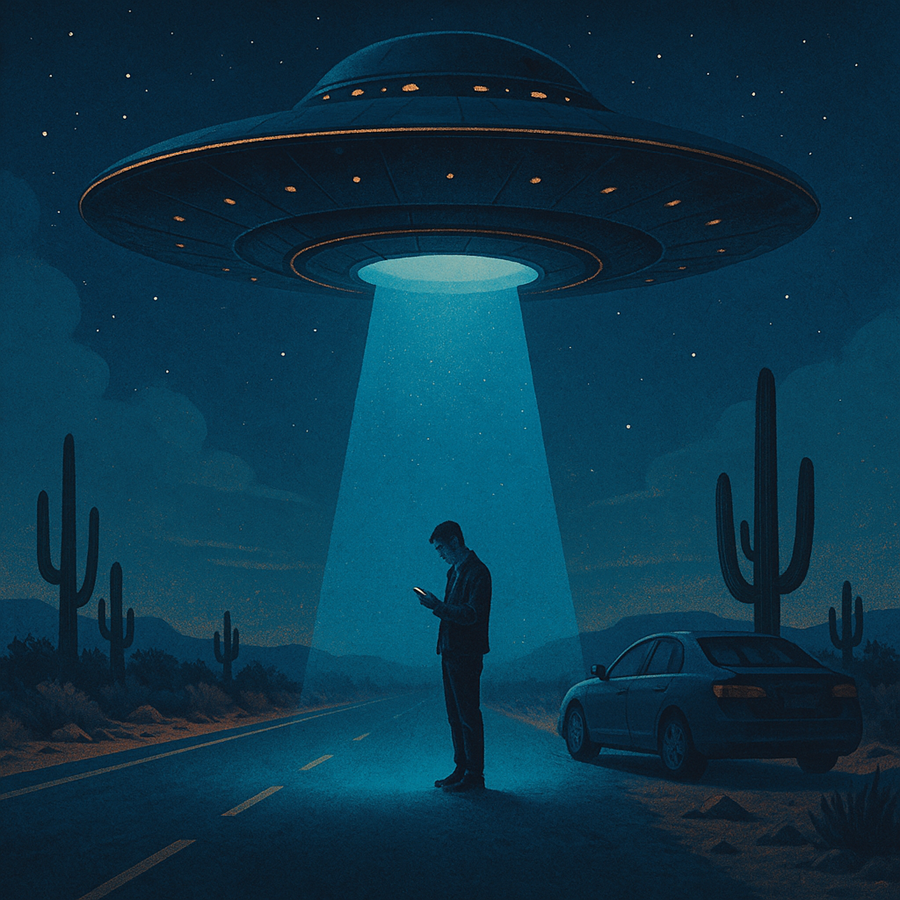
I've come to think of my phone as a sort of pocket Neuralyzer.
I imagine, like me, you spend too much time on yours.
And not doing the useful stuff it’s invaluable for - connecting with friends, learning new and interesting stuff, listening to great music or perfecting a foreign language.
(Having said that - I’m still pretty worried about the Duolingo people. That app seems to be a cruel mistress. Someone should check in on those guys).
I find myself flicking through Instagram and TikTok reels more and more - watching the same actors share stories on Graham Norton's sofa, or the same confrontational debt collectors trying to wrestle a financed car from an angry American, or every goal from every Champions League final again and again and again.
I imagine you do something similar: everyone has their own algorithmically charged content but, I suspect, the same patterns of behaviour.
Ask yourself if you can remember exactly which moreish little videos flickered across your screen yesterday.
My bet is that you might recall maybe one or two of the hundreds that did.
The brain just isn’t encoding any of that.
And when I ask myself how many hours a week I’ve been voluntarily neuralyzing myself with my phone over the past few years, I have a strong suspicion that the answer isn’t good.
That’s the danger: hours lived, nothing remembered.
So here’s to trying some new stuff. To making some memories.
To getting out and experiencing a life that I’ll be able to look back on someday with a richer sense of fulfillment; for better or for worse.
Having said all that, I might still stick Men in Black on this evening.
I haven't seen it for years and I have a feeling Will Smith might need the residuals some day.
Like I said, he seems to be going through some stuff.
Keep dreaming,
Rob
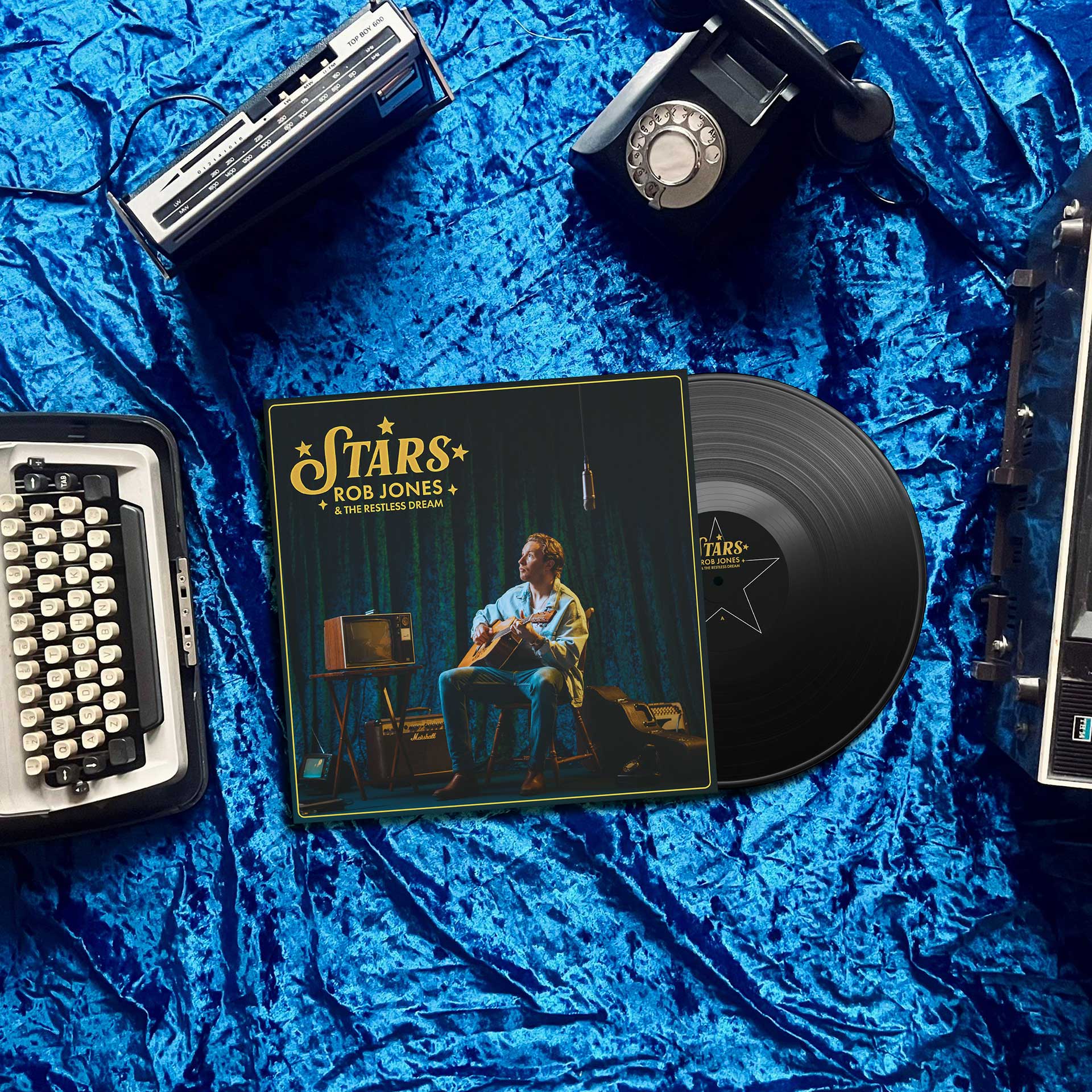
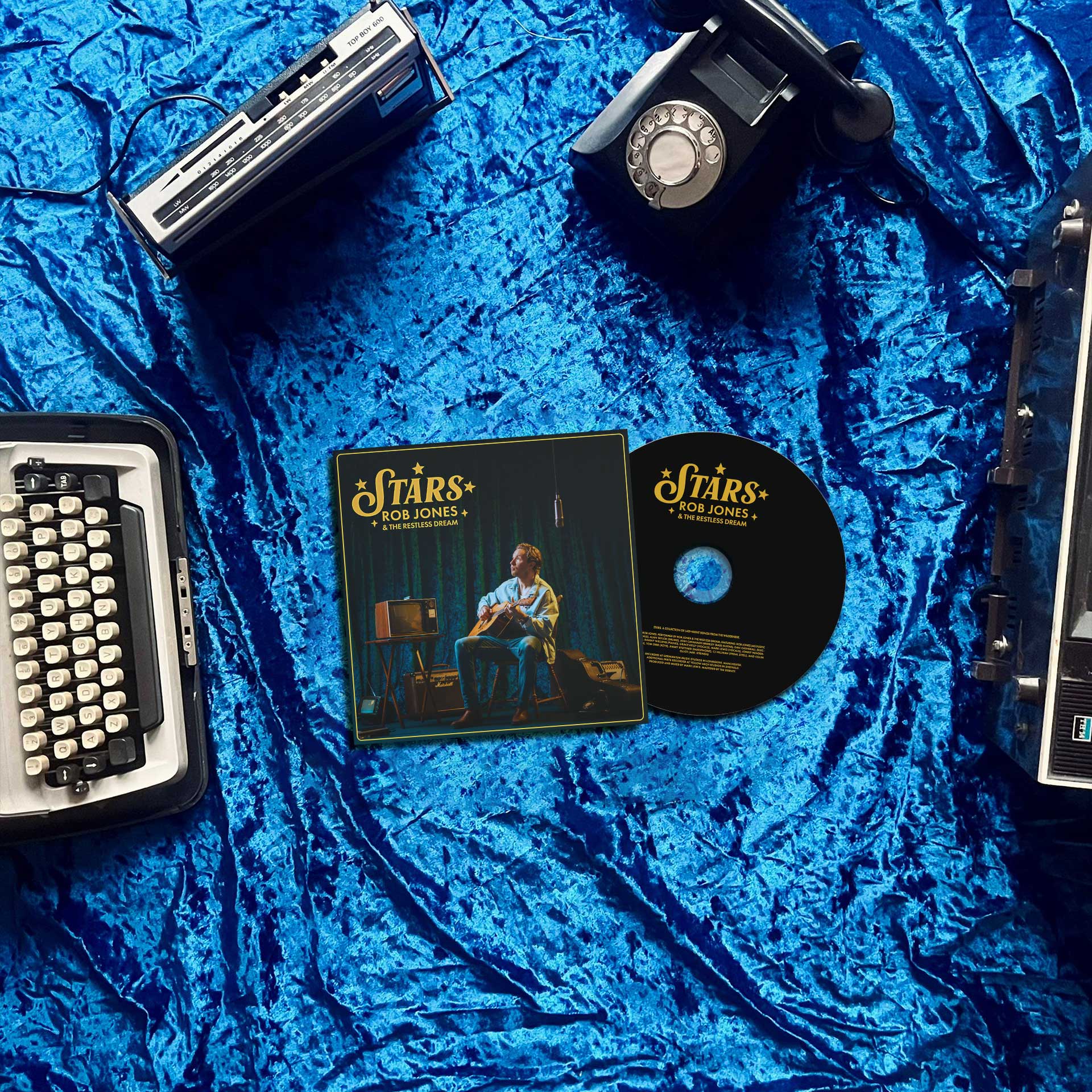
Available to buy on limited edition first run vinyl and CD